Australia’s top beaches and smart ways to stay connected in 2025
Share this article
Help others discover this content
Australia’s top beaches and smart ways to stay connected
Real-world insights for the modern traveller
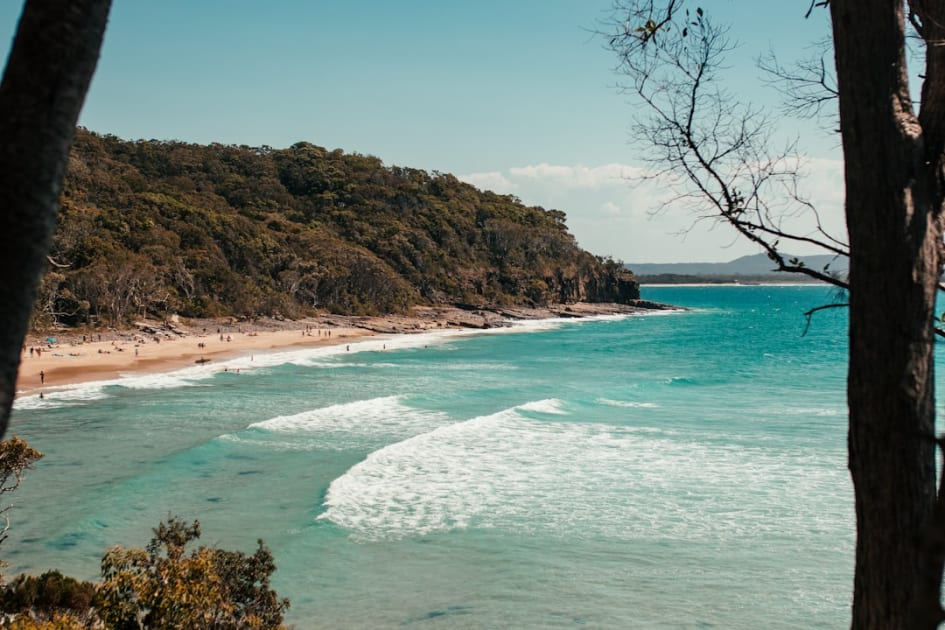
A cool sand squish between your toes, the tang of salt in the air, and the sun blazing down as turquoise waves leap at your ankles. For many, this is the quintessential Australian summer—especially when the New Year rolls in and Europe’s still shivering. Yet, as I found out last January whilst checking surf forecasts on Bondi, a spotty mobile connection can turn sun-chasing into a hassle quicker than a startled seagull.
It’s the sort of challenge you don’t expect until you’re standing on a remote stretch of sand, trying to upload a sunset snap on patchy Wi-Fi. If your Australian beach plans involve more than a short stroll from a city, that mobile signal (or lack of it) can become the difference between finding an open café or wandering for miles in flip-flops. Let’s talk practical ways to keep your digital lifeline strong—without shelling out a fortune on roaming fees.
Quick Facts
- Most Australian beaches have at least 4G coverage, but remote spots can be hit-and-miss.
- Digital SIMs (eSIMs) let you switch plans or top up data on the move—no plastic cards, no fuss.
- Graba SIM’s Data Pulse makes it easy to track your usage in real time, so you don’t run dry halfway through a hike.
- Instant eSIM activation means you’re connected before you even leave the airport.
- 24/7 live chat support helps if you get stuck, even when you’re far from a shop or hotel.
Why Australia’s beaches are special—and what most guides miss
Here’s something travel brochures skip: Australia’s coast isn’t one endless golden stretch. Each region has its quirks, and so does the network coverage. Sydney’s Bondi, for all its fame, gets swamped with visitors during the Aussie summer (especially that first week of January, when seemingly every local and international traveller descends at once). Data speeds can nose-dive by mid-afternoon, particularly on weekends. Now head north to Queensland. The Whitsundays—those postcard islands—look like they’re made for Instagram. But unless you’re staying on Hamilton or Airlie Beach, don’t expect full bars everywhere. I’ve tried uploading videos from Whitehaven Beach; sometimes you’ll wait until the ferry’s back in range. Western Australia’s Cottesloe feels like a laid-back paradise, but even there, network congestion peaks when the after-work swim crowd arrives. If you’re venturing further—say, Tasmania’s Bay of Fires or South Australia’s Vivonne Bay—expect blank spots on your mobile map. Planning ahead with your data and coverage is as crucial as packing sunscreen.
Why This Matters
Connectivity in Australia isn’t just about convenience: it’s your safety net on wild coastal drives, for last-minute weather checks, or finding hidden cafés when GPS signals blink out.
eSIMs: The savvy traveller’s tool for staying online
Gone are the days when you needed to fumble with a pin and swap out tiny plastic SIMs at the airport. These days, a digital SIM—better known as an eSIM—lets you switch providers, buy data, and get connected within minutes. I first tried this in Byron Bay, after losing my physical SIM to an overzealous wave (don’t ask). The relief of reactivating my mobile plan from a beach towel—without hunting for a shop—sold me on eSIMs for good.
Graba SIM’s Australia eSIM plans offer some genuinely handy features:There’s something liberating about knowing you can adjust your plan on the fly, especially if your New Year beach trip morphs into a rainforest detour or a last-minute flight to Melbourne. If you’ve ever found yourself desperately searching for Wi-Fi to call home, you’ll know the value of being in control of your own connection.
Get Connected
Beat the roaming charges and take charge of your travel data with Graba SIM’s Australian eSIM options. Find the right plan before you land.
How to set up your eSIM for the Aussie coast—step by step
Setting up your eSIM is refreshingly straightforward. I find it’s best to do this before you even leave home, but if you forget (as I inevitably did in 2024 at Melbourne Airport), Wi-Fi at most arrivals halls will do.
3. Purchase your plan—prices start from around £5/$8/€7 for short stays, with longer plans costing a bit more. 4. Scan your eSIM QR code (emailed within minutes). 5. Activate using the instructions—usually takes under a minute. Don’t delete your home SIM profile; you can switch back later.
Local advice for Australian beaches: what really matters
Local Tips
eSIM vs physical SIM vs roaming: which should you choose?
| Method | Setup Time | Best For |
|---|---|---|
Physical SIM | 20–30 minutes in store | Long stays, local calls |
International Roaming | Instant (if enabled) | Short visits, emergencies (but can be expensive) |
eSIM | 1–2 minutes online | Flexible trips, frequent data top-ups |
From experience, if your holiday plans are fluid—maybe you’re squeezing in a trip from the Gold Coast to Byron, or a spontaneous surf lesson—eSIMs take the stress out of shifting data needs. Physical SIMs still work fine for longer stays, but you’ll need an in-person visit (and often your passport). Roaming is quick, but I’ve seen friends rack up £80/$120 in charges before they’ve even realised it—never fun at the tail end of a trip.
If you’re after more detail, I’ve written a deeper dive on why eSIMs are a game changer for Australia travel in 2025.Who benefits most from eSIMs at the beach?
Solo backpacker
Spending a week hopping from Sydney’s city beaches to Byron Bay? With an eSIM, you can keep your original number for WhatsApp and pick a local plan for data-heavy use—no need for a brick-and-mortar shop.
Digital nomad
Need to upload big files from a beach café or join video calls on the go? The live data tracking and 24/7 support mean fewer surprises (and less stress).
Family holiday
If you’re wrangling teenagers, it’s easy to top up their data remotely or share a hotspot when you’re on different providers.
Frequently Asked Questions
Get Connected
Not sure which plan fits your trip? Try the Plan Finder and get tailored suggestions for your Australian adventure.
Final Thoughts
There’s magic in the Australian coast—whether you’re surfing, hiking, or just lazing in the midday sun. Staying connected shouldn’t get in the way of that. From all the trips I’ve made (and all the times I’ve lost signal at the worst possible moment), having a digital SIM tucked safely in my phone has become my own little travel ritual. You’ll thank yourself the first time you need to check a ferry timetable or call a rideshare from a near-deserted car park. Travel smart, keep your options open, and may your next beach day be as connected—or unplugged—as you want it to be.
Ready to Get Connected?
Explore our eSIM plans and stay connected in 150+ countries with instant activation and competitive rates