Spring in North America’s national parks: a connected journey for curious explorers
Share this article
Help others discover this content
Practical insider tips for seamless adventures
You’ve just set foot on the snow-dusted rim of the Grand Canyon, sunrise painting the sky in unlikely shades of violet and gold. Somewhere behind you, your phone buzzes—a friend sharing a photo from New York’s Bryant Park ice rink, where the last of the Christmas markets are being packed away. The contrast is striking: one moment, crisp desert silence; the next, festive energy echoing from thousands of miles away. Technology’s little miracles, if you ask me, are what make modern travel both wonderfully vivid and reliably connected.
It’s not all magic, though. Anyone who’s tried uploading a video from Yosemite’s Glacier Point at dusk knows the sinking feeling of "No Service". As spring nudges winter aside, North America’s parks are about to see a wave of hikers, photographers, and the odd digital nomad. Staying online—without draining your budget on roaming charges—takes a bit of savvy. I’ve tested everything from paper maps to pocket Wi-Fi in my time, but eSIMs are now my go-to travel solution for a reason. Let’s get into why.
Quick Facts
- Spring in US and Canadian national parks offers fewer crowds and dramatic scenery changes
- Compare the current selected product price in your currency with your carrier’s current roaming terms. Older example prices do not establish the amount available or payable today.
- Graba SIM’s Data Pulse keeps you in control of usage—especially handy for high-res photo sharing
- On-the-spot activation means you’re never hunting for a SIM kiosk on arrival
- 24/7 live chat support helps if you get stuck mid-itinerary
Why connectivity can make or break your park adventure
I’ll never forget my first spring in Yellowstone: bison calves tottering on fresh grass, the odd snow squall drifting in out of nowhere. But come late afternoon, three busloads of visitors descended on Old Faithful—and suddenly the local mobile network ground to a halt. Uploading so much as a group selfie was an exercise in patience. If you’re planning to tick off multiple parks—say, Rocky Mountain followed by Arches and then Joshua Tree—you’ll notice coverage varies sharply within and between parks. In Yosemite Valley, Verizon and AT&T have patchy 4G at best; outside Banff’s Lake Louise village, even Canadian carriers can be hit or miss. Spring means weather’s unpredictable, too: a late snowstorm or a deluge can down masts, and local Wi-Fi (when available) is rarely reliable for anything beyond a quick WhatsApp. I’ve found network congestion spikes around major trailheads and visitor centres, especially during spring break and Easter holidays. Early morning and post-sunset are often your best windows for uninterrupted browsing. Knowing this can help with everything from route planning to making last-minute bookings for campsites or festive winter lodge stays.
Why This Matters
Understanding these nuances saves you both time and frustration—plus, you’ll avoid astronomical roaming bills when sharing your spring adventures in real time.
How eSIMs work for springtime park travel
Installation, the start of validity and connection to a network are separate steps. Timing varies by product and conditions; follow the selected plan’s instructions. Usage readings come from the supplier and may be delayed. Refresh requests the latest available reading; check its measurement timestamp.
The home or lock screen widgets are a clever touch—spotting your remaining data at a glance saves on those "uh-oh" moments when Google Maps hangs mid-route. And if things go wrong (my iPhone once refused to download a profile in Vancouver airport), knowing there’s 24/7 live chat is reassuring. For the best value, browse their spring plans before you travel, or use their plan finder wizard to match your itinerary.
Setting up your eSIM for North America: a quick guide
- Check device compatibility. Use Graba SIM’s checker to see if your phone supports eSIM (most iPhones from XR/XS up, Google Pixel 3+, Samsung S20+).
- Compare the current selected product price in your currency with your carrier’s current roaming terms. Older example prices do not establish the amount available or payable today. 5GB US plans
Installation, the start of validity and connection to a network are separate steps. Timing varies by product and conditions; follow the selected plan’s instructions.
Get Connected
Find a spring plan that matches your route—stay online from the Rockies to the Sierra Nevada, with no airport queues or surprise charges.
Insider tips from the trail
Local Tips
The practical upshot? Plan for downtime in coverage, but don’t be caught off guard. (And always have a backup paper map—digital is great, but I’ve seen too many park visitors stranded with a dead phone at sunset.)
eSIM vs physical SIM vs traditional roaming: what’s actually best?
| Option | Activation | Data Value | Ease of Use |
|---|---|---|---|
| eSIM (Graba SIM) | Under 1 minute | £8/$10/€9 for 5GB | Install & manage via app |
| Physical SIM | 10-30 mins, need shop | £12/$15/€13 for 5GB | Swap SIMs, keep track |
| Traditional Roaming | None | Compare the current selected product price in your currency with your carrier’s current roaming terms. Older example prices do not establish the amount available or payable today. | Auto, but can be costly |
From experience, eSIMs win for flexibility and setup speed—especially if you’re hopping between countries or changing plans mid-trip. A paper SIM might still be useful if you want to keep your home number live, but I’ve found most park dwellers just want reliable data and quick support if things go sideways.
Real-world scenarios: who benefits most?
Sharing landscapes with family at home
You’re hiking Glacier National Park with patchy coverage, but your eSIM’s real-time monitoring means you squeeze every last MB for FaceTime calls—no guessing if you’ll suddenly run out.
Juggling work and play
Installation, the start of validity and connection to a network are separate steps. Timing varies by product and conditions; follow the selected plan’s instructions.
Multi-country road trips
Crossing from Seattle to Vancouver? eSIM lets you jump networks without swapping hardware, so you stay online whether planning a New Year’s Eve stop in Whistler or a festive market in Portland.
Frequently Asked Questions
Final Thoughts
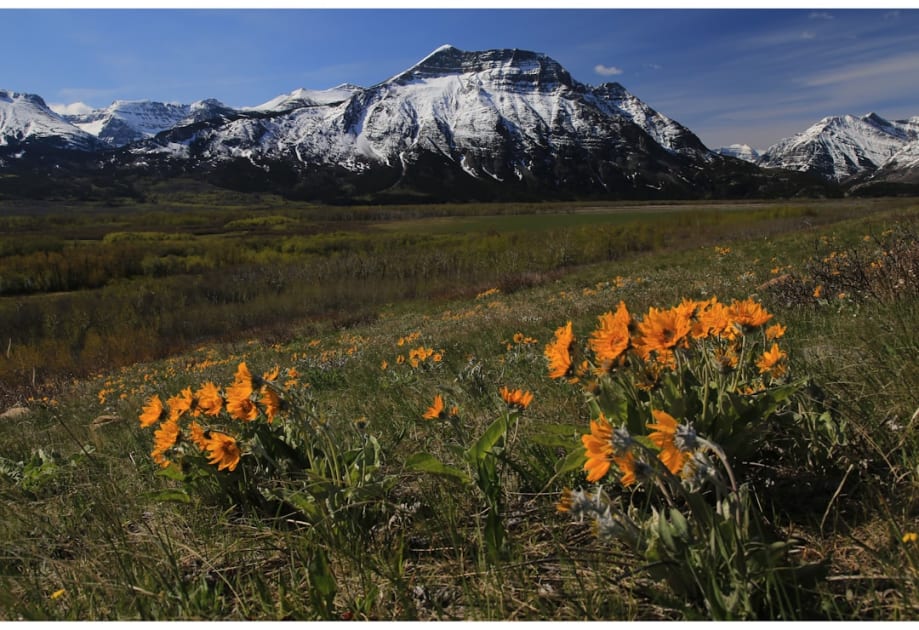
There’s something magical about North America’s parks in spring—the sudden explosion of wildflowers, the last snow lingering on distant peaks, waking to frost on your tent. But modern travel is about balance: being present for the real-world beauty, yet still able to share a perfect shot or check the weather for tomorrow’s hike. For me, eSIMs have quietly solved the grunt work of connectivity. No faff, no fuss, just a small upgrade that lets the real adventure take centre stage.
Travel eSIM
Ready to get connected?
Compare coverage, data allowance and validity for your trip, then install your eSIM before you fly.
- 200+ destinations
- No contract
- Keep your number
GRABA PERKS · TRAVEL PARTNERS
Travel perks for your trip
Explore experiences, transfers, flights and car hire alongside your eSIM. Compare options and check availability for your own dates and destination. Compare flights →
 Experiences
Klook
Book attractions, day trips and transport passes. Compare availability for your dates before you go.
Explore Klook ↗ Transfers
intui.travel
Compare airport transfer options and arrange your journey between the terminal and your accommodation.
 Flights
Kiwi.com
Explore flight routes and fares. Check baggage, connection protection and change conditions before booking.
Country to country flights ↗ Car hire
QEEQ
Compare rental cars for your dates and review the supplier’s pickup and cancellation conditions.
Explore QEEQ ↗Affiliate links: Graba SIM may earn a commission when you book through these links, at no extra cost to you. Bookings are with the partner. Availability, eligibility, prices and terms can change; check the final details before paying.