Portugal’s real treasures: festive coastlines, vibrant cities and the underrated corners worth your time
Share this article
Help others discover this content
Portugal’s real treasures: festive coastlines, vibrant cities and the underrated corners worth your time
A seasoned traveller’s guide to winter beaches, city lights and hidden gems
Lights strung overhead, a swirl of cinnamon in the air, and somewhere in the distance, waves thumping against the Atlantic shore. That was my introduction to Portugal in December: fresh custard tarts in one hand, the other gripping my scarf as I navigated Porto’s medieval lanes lit up for Christmas. Portugal doesn’t shout; it charms, especially in winter.
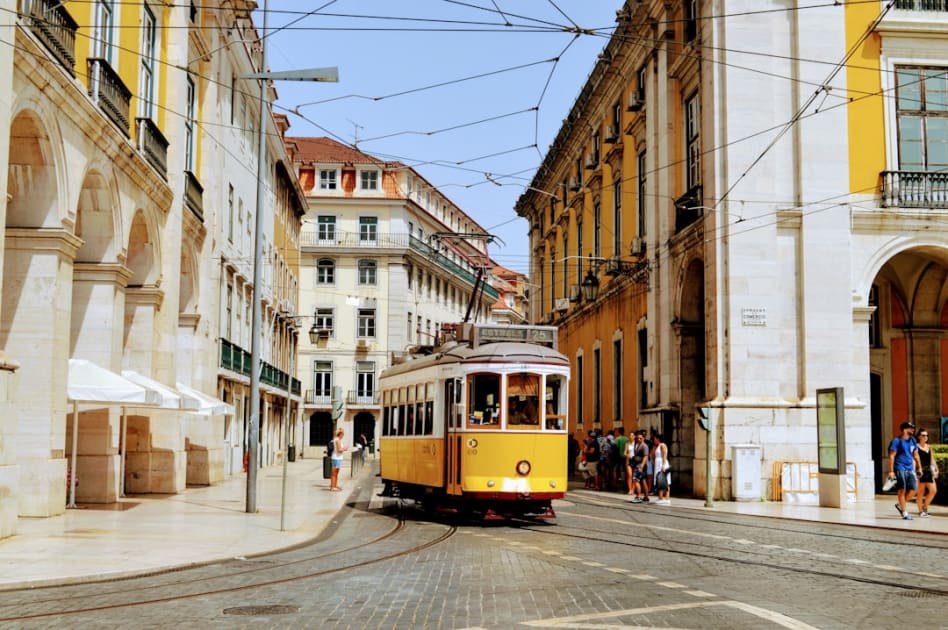
If you’ve ever found yourself wrapped in a woolly jumper, wishing for a dash of sun while half of Europe huddles indoors, Portugal becomes a kind of secret handshake for those in the know. There’s a certain magic in catching a tram through Lisbon just as the city’s festive lights flicker on—or in wandering a near-empty Algarve beach after a rain shower, the holiday crowds long gone. For me, it’s the blend of familiar warmth and gentle surprises: a country that feels both easy and thrillingly new every time.
Quick Facts
- Portuguese beaches aren’t just for summer—mild winter days mean you can walk the sand year-round.
- Festive markets in Porto and Lisbon offer local handicrafts, mulled vinho quente and street performances.
- eSIMs keep you connected coast-to-city, with no need to swap out your physical SIM (I’ve tested it myself).
- Metro coverage in Lisbon and Porto is extensive, but rural towns often rely on local buses or car hire.
- Winter travel brings smaller crowds, lower prices, and easier reservations across hotels and restaurants.
What I’ve learned after countless trips to Portugal
Let me paint a real scenario. Picture New Year’s Eve in Lisbon: locals and visitors squeeze into the Praça do Comércio, phones raised to capture fireworks. Every year, as midnight approaches, regular SIM roaming can grind to a halt—network congestion, pure and simple. Yet I’ve watched those with embedded SIMs (myself included) posting videos and texting friends without a hitch, thanks to data plans that tap into local carriers like MEO and Vodafone. Portugal’s geography is deceptive. The distance from Porto’s granite churches to the wild beaches of the Alentejo only takes a few hours by train, but mobile coverage shifts depending on where you are. Lisbon and Porto deliver fast 4G/5G almost everywhere, yet rural valleys—say, the Serra da Estrela—still have the odd dead spot (though most main roads stay covered). Want to stream a football match from a windswept Azores cliff? You’ll want to check the coverage map first, but you might be surprised how often you can get a signal. Public Wi-Fi can be patchy, especially in smaller towns or along the coast. Cafés occasionally offer free access, but don’t count on stable speeds—I've endured plenty of buffering during a rainstorm in Tavira, waiting for a map to load while my coffee went cold. That’s why local data, via eSIM or otherwise, is worth its weight in gold.
Why This Matters
Knowing how connectivity shifts from city to coast lets you plan smarter, avoid frustration and make the most of those spontaneous detours Portugal inspires.
The quietly brilliant advantages of using an eSIM in Portugal
I used to juggle plastic SIM cards at Lisbon airport—wasting precious minutes in queues, fiddling with paperclips (which, let’s face it, never work as well as promised). Now, I just scan a QR code before I even leave my flat. That’s the single best thing about eSIMs: sheer convenience, especially if your itinerary hops from city art galleries to the Algarve’s windblown dunes. Unlike physical SIMs, a digital or virtual SIM lets you skip the shops entirely. With Graba SIM, for instance, you can activate a local or regional plan in about 30 seconds—genuinely, I’ve timed it—using their instant activation feature. The Data Pulse widget is handy, too. Last Christmas, I kept it on my home screen in Porto, watching my data usage tick down as I posted market photos, so I never had that dreaded “ran out of data” moment. I also value the 24/7 live chat support. When I first tried an embedded SIM in Portugal, I had a hiccup switching between profiles (I was toggling between Spain and Portugal plans). The response time was under two minutes, with clear guidance—no jargon, no scripts. A few other practical perks:
Get Connected
Set up your Portugal eSIM before you leave home, or top up between cities with just a few taps on your phone.
How to get started with a Portugal eSIM: simple steps that actually work
Pro-tip for group travellers
If you’re travelling with friends or family, consider a larger data plan and use your device as a hotspot when Wi-Fi isn’t up to scratch.
Where to go: beaches, cities and the overlooked gems
The coast draws most of the headlines, and for good reason. Even on a brisk December day, the Algarve’s Praia da Marinha dazzles—its golden cliffs and turquoise water startling against grey skies. If you’re lucky, you’ll pass fishermen mending nets and see surfers braving the Atlantic in neoprene. But it’s the mix of experiences that makes Portugal addictive:
Local Tips
eSIM vs physical SIM vs traditional roaming: Portugal edition
| Option | Set-up Time | Best For |
|---|---|---|
Physical SIM | 10-20 mins (buy, swap, set APN) | Longer stays, one country |
Traditional Roaming | Instant, but expensive (£5-£10/$7-$14/€6-€12 per day) | Short visits, urgent situations |
eSIM | 30 seconds (scan, activate) | Multi-city, multi-country, all trip lengths |
Why This Matters
An eSIM gives you flexibility and savings, especially if your plans change or you’re moving between regions. No more hunting for local SIM shops or worrying about language barriers at the counter.
Who benefits most: real-world scenarios
Family trip over Christmas
Data-sharing for directions, restaurant bookings, and keeping the kids happy with streaming on the train—an eSIM hotspot covers everyone.
Solo explorer in rural Portugal
Reliable coverage for translation apps and maps, even in smaller towns where café Wi-Fi can be unreliable.
Remote worker chasing winter sun
Stable 4G/5G for video calls from a Lagos apartment, with Data Pulse monitoring so you don’t run out mid-meeting.
City-hopper snapping festive photos
No downtime uploading pictures from Porto’s Christmas market—switch plans seamlessly if you pop over to Spain for a day.
Frequently Asked Questions
Get Connected
Browse our Portugal and regional Europe plans to compare data options for every kind of journey.
A few thoughts before you pack
Final Thoughts
Portugal in winter is like finding a hidden room in a familiar house—there’s warmth you never expected, and just enough adventure to keep you coming back. Whether you’re chasing Christmas markets in Porto or escaping to a sunny cove in the Algarve, having the right connectivity makes every detour possible. I speak from experience: the freedom to wander, share, and change plans on a whim—that’s the real luxury of travel these days.
Want to explore more practical advice? You might find how to handle language barriers abroad handy, especially for rural Portugal. Or, if you’re debating where to base yourself, check out our guide on finding your perfect neighbourhood in a new city.
Ready to Get Connected?
Explore our eSIM plans and stay connected in 150+ countries with instant activation and competitive rates