Digital nomad in Portugal: festive freedom, cosy cafés, and smart connectivity
Share this article
Help others discover this content
Digital nomad in Portugal: festive freedom, cosy cafés, and smart connectivity
A seasoned traveller’s guide to remote working and celebrating in Portugal this winter
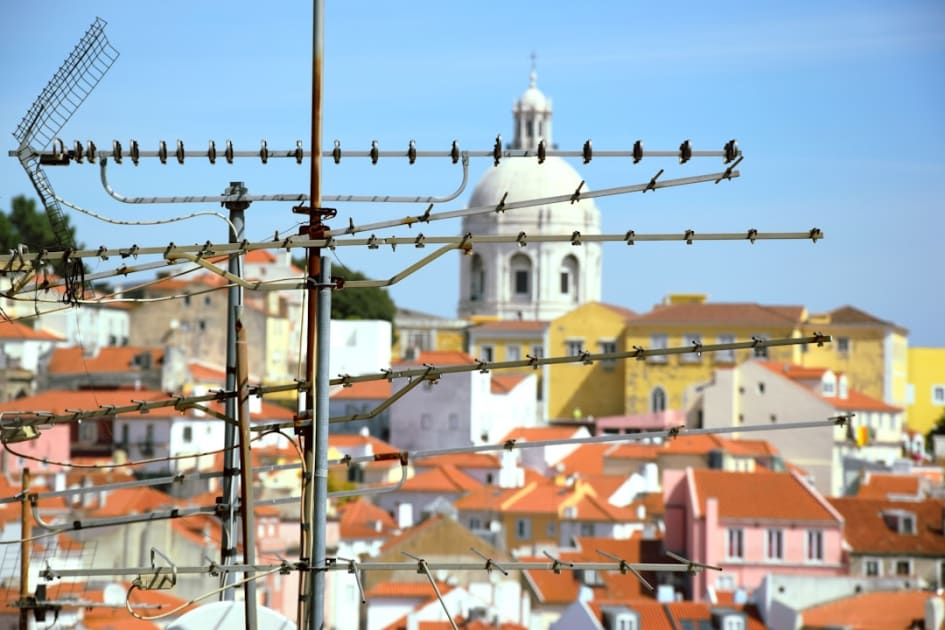
There’s something quietly magical about December mornings in Lisbon. You step out of a tiled guesthouse, the air tinged with cinnamon and roasting chestnuts, and catch the golden sun rising over the Tagus. As city trams rattle by, you might find yourself dodging a parade of Santa hats—locals and expats both making the most of Portugal’s festive season. It’s the kind of place where you can sip rich espresso in an old-world café, tap out emails with Atlantic views, and then wander cobbled lanes lined with lights strung for Christmas, all before lunch.
If you’ve ever tried chasing Wi-Fi in a crowded hostel or spent half an afternoon deciphering SIM card instructions in Portuguese, you’ll know the challenges of staying reliably connected abroad. Yet Portugal, with its blend of old and new, offers inventive workspaces and modern mobile data options that make remote working less of a hassle—even during the busy Christmas holidays and the New Year’s Eve rush.
Quick Facts
- Christmas markets pop up from Porto to Faro, drawing big winter crowds and straining public Wi-Fi.
- A virtual SIM (eSIM) lets you activate data instantly—no local shop visits or waiting in queues.
- Real-time data tracking with Graba SIM’s Data Pulse means you’ll never face surprise top-ups.
- Many Portuguese cafés are fine with laptops, but power sockets fill up quickly on rainy days.
- Festive travel (late December–early January) sees higher mobile traffic—expect occasional slowdowns on major carrier networks.
What’s it really like working remotely in Portugal during the festive season?
Ditch any notion of Portugal as a sleepy winter destination—this country hums with life even as the nights grow longer. In December, the city squares of Lisbon and Porto glitter with Christmas markets, pulling in both families and clusters of digital nomads. Those Instagram-perfect lights you see? They’re real, and so are the crowds they attract. Try sending a large file over café Wi-Fi in Praça do Comércio at dusk and you’ll quickly learn why so many remote workers invest in dedicated mobile data. From experience, I’ve found that Vodafone and NOS offer generally solid 4G coverage in urban areas, but things can get patchy in the hills above Sintra or the wilds of the Alentejo. Network speeds often dip during big festive events—New Year’s Eve fireworks along the Douro are a prime culprit. If you’re planning a video call or deadline around midnight on 31st December, plan ahead or you’ll join the chorus of digital sighs. Rural Portugal can be a dream for creative work (think: ocean sounds, not office noise), but don’t assume your signal will always keep pace. Travellers who rely on hotspotting should keep in mind that some local rental flats have concrete walls that muffle even the best routers—having your own data connection is a genuine lifesaver.
Why This Matters
Not all data plans are created equal, and festive-season demand can quickly expose the weak spots in your connectivity game. Investing in reliable mobile data isn’t a luxury—it’s basic travel survival, especially if you need to work or stream while everyone else is uploading holiday snaps.
Why I recommend eSIMs for working and celebrating in Portugal
Let’s be honest: buying a physical SIM card in a new country always sounds simpler than it is. Last winter, I queued at Lisbon airport for what felt like an eternity, only to be told the kiosk had run out of prepaid cards. That’s when I finally switched to using an eSIM. With Graba SIM, you can browse Portugal data plans before you even set foot in the country, choose how much data you’ll realistically burn through (I average about 5-7GB for a week of cafés and Google Maps), and activate it all in under a minute—no waiting, no language barrier, no fiddly packaging.One feature I’ve found especially helpful is Data Pulse, which gives real-time usage stats. It sounds minor, but when you’re juggling deadlines at a Porto coworking space and bouncing between Christmas pop-ups, it’s easy to lose track. Graba SIM’s home and lock screen widgets spare you the bother of digging through settings, and their 24/7 live chat has, on more than one occasion, soothed my late-night data anxieties (shout-out to Marta, if she’s reading).
For those new to eSIMs, the compatibility checker is worth a quick look. Most newer iPhones and Androids support eSIM, but it’s always better to check before you buy a plan.Instant activation, real control
No more hunting for local SIM cards. Activate your Portugal eSIM before you land and monitor usage with Graba SIM’s dedicated tools—ideal for unpredictable festive travel.
How to get online fast in Portugal: concrete steps
Get Connected
Start your Portugal adventure with the right data plan—choose from flexible packages for city breaks, coastal escapes or rural retreats.
Seasonal travel tips only locals (and repeat visitors) know
Local Tips
How does eSIM compare to other ways of staying online in Portugal?
| Option | Setup time | Typical cost/week |
|---|---|---|
eSIM (Graba SIM) | 30 seconds | £7–£15 / $9–$20 / €8–€18 |
Physical local SIM | 10–30 minutes (shop visit) | £5–£12 / $6–$15 / €6–€14 |
International roaming | Already active | £30+ / $40+ / €35+ |
City Explorer
You’re hopping between Lisbon’s Miradouro de Santa Catarina and Alfama’s Christmas stalls. Quick eSIM activation means you’re never stuck offline (or queueing for a shop).
Coastal Wanderer
Winter surfing in Ericeira? Connectivity can be hit-and-miss along the cliffs—having a virtual SIM preloaded with a regional plan keeps maps and weather apps running smoothly.
Remote Retreat
Spending New Year’s in a Douro Valley quinta? Plan ahead and activate before you leave Porto for trouble-free online access—even when the local Wi-Fi is acting up.
Most digital nomads I meet in Portugal start out using roaming (it’s convenient, but expensive), then either switch to a local SIM or an eSIM for better rates. Physical SIMs are fine if you don’t mind the paperwork and shop hours, but honestly, for the ability to swap plans mid-trip or top up late at night, I wouldn’t go back.
Frequently Asked Questions
Get Connected
Not sure which data plan fits your holiday or work trip? Try Graba SIM’s Plan Finder for personalised options.
Final Thoughts
If I had to pick just one thing that makes Portugal such a superb spot for digital nomads—especially over the festive break—it’s the ease with which you can slip from work to celebration mode. Sure, there are hiccups (that riverside Wi-Fi that never quite delivers, the Christmas queues), but a smart virtual SIM quietly takes stress out of the equation. So, whether you’re ringing in the new year on a Porto rooftop or finishing up a project in a Faro café, a little preparation goes a long way. Safe travels, and bom Natal!
Ready to Get Connected?
Explore our eSIM plans and stay connected in 150+ countries with instant activation and competitive rates