Swapping skies for rails: how to plan a no-fly escape from the UK using trains and ferries
Share this article
Help others discover this content
Swapping skies for rails
How to plan a no-fly escape from the UK using trains and ferries
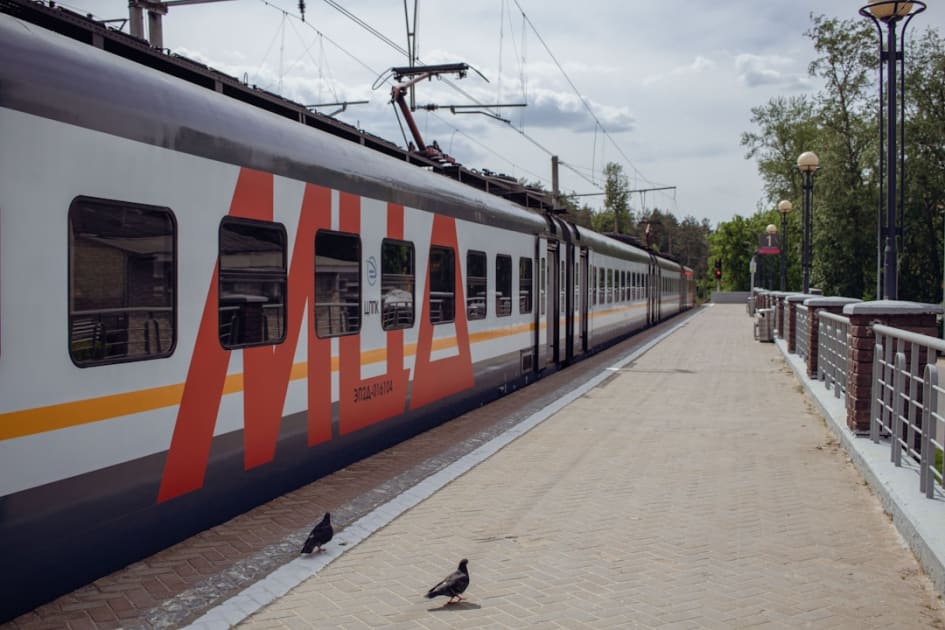
There’s no rule that says a proper adventure starts at 35,000 feet. Picture this: you’re sipping coffee in St Pancras at dawn, suitcase at your feet, Eurostar ticket in hand—no liquid restrictions, no frantic shoe-removal, and no echoey departure lounge. Instead, it’s the gentle hum of a train, the slow reveal of countryside through rain-flecked glass, and, hours later, the salty tang of a Channel breeze. More and more of us—especially when winter’s gloom sets in or the new year’s resolutions are still fresh—are swapping short-haul flights for rail and sea, both for the experience and for the planet. There’s something quietly thrilling about gliding across borders by train or ferry, unhurried, watching landscapes slip by, Wi-Fi signal flickering as you approach a tunnel in the Ardennes. I’ve done this route in sleet, sun and snow, and it never feels routine. It’s a different sort of holiday, one where the journey becomes a story, not just the means to an end.
Quick Facts
- No-fly travel from the UK: direct trains to Paris, Brussels, Amsterdam; dozens of ferry routes to France, Spain, Ireland and beyond
- Winter rail journeys: Eurostar seats often cheaper midweek and off-peak; night trains can be surprisingly affordable
- Onboard mobile data: best with an eSIM—instant activation, no swapping SIM cards at border crossings
- Plan ahead: popular ski trains early January–March can sell out
- Graba SIM’s Data Pulse helps manage data when Wi-Fi is patchy
Why rail and ferry holidays are having a moment
A few years ago, most Brits heading for après-ski, a winter city break or a spontaneous escape defaulted to the airport. Now, even the most die-hard Ryanair regulars I know are entertaining the idea of ‘slow travel’—not just to cut emissions, but to rediscover what it means to actually travel, rather than just arrive. There’s a practical angle, too: train stations are usually smack in the middle of town. You can roll your bag straight onto the platform, and (this bit’s underrated) you’re not at the mercy of a cancelled flight because of a sudden snow squall over Luton.It’s not all smooth sailing, though. French rail strikes can turn a Paris connection into a half-day detour; ferry timetables sometimes shift last-minute in January gales. But that unpredictability is part of the adventure—and, let’s be honest, far less soul-destroying than a two-hour queue for passport control at Gatwick on a Sunday morning.
Why This Matters
Choosing rail and ferry doesn’t just shrink your carbon footprint; it opens up routes and stopovers you’d never consider by air. It’s also the best way to actually see Europe, not just tick off destinations.
What most guides miss: real-world connectivity on the move
Here’s a scenario I know well: you’re somewhere between Lille and Strasbourg, trying to pull up your hotel booking, and the free Wi-Fi stubbornly drops out. Eurostar’s Wi-Fi is decent until you hit the Channel Tunnel, but it’s patchy on some older SNCF trains. Ferries vary wildly: Brittany Ferries offers paid Wi-Fi that’s slow outside mobile range; Irish Ferries is quicker but has data caps. I’ve watched seasoned digital nomads pre-load Google Maps offline or tether to a second device—anything to dodge the dreaded “No Service” message as you cross from one network to another.
That’s where eSIMs (digital, embedded SIMs) have genuinely changed the game. You can buy and activate a European eSIM plan before you even leave the UK, switch networks as you go, and—crucially—see your data usage live with Graba SIM’s Data Pulse. I’ve tested this myself on an iPhone 14: I landed in Paris, hopped straight onto Orange FR’s network, and never lost signal as my train rolled past Dijon. No fiddling with plastic SIM cards at the Gare du Nord. If you’ve got a compatible device (check here), it’s the simplest way to stay online across borders. And yes, the lock-screen widget is handy: you get a quick glance at your remaining data without diving into settings, which has saved my bacon more than once when streaming Euro Cup highlights in a Belgian café.Don’t get caught out by roaming fees
Traditional roaming in Europe can still rack up unexpected charges, especially on older contracts or when crossing into Switzerland or Monaco. An eSIM with a local or regional plan sidesteps those traps—just pick your countries and duration.
How to map out a no-fly holiday from the UK (step by step)
Get Connected
Ready to see Europe by train and ferry? Make sure you’re always connected—no matter which country you wake up in.
Local tips from the rails and the seas
Local Tips
Comparing options: eSIM, physical SIM, and standard roaming
| Option | Setup Time | Coverage | Cost |
|---|---|---|---|
Graba SIM eSIM | About 30 seconds | UK + Europe (regional plans) | from £5/$7/€6 |
Physical SIM | 10–20 mins (needs shop visit) | Single country only | £10–£30/€12–€35 |
Standard Roaming | None (uses UK SIM) | Patchy (not all plans include EU) | Varies – can exceed £50/€60/week |
Real-life scenarios: who benefits from rail-and-ferry journeys?
Solo explorer
Booked the night train to Milan in January, working remotely via eSIM with Data Pulse keeping tabs on usage—no nasty bills.
Family of four
Took the Portsmouth–Caen ferry, then train to the Alps for winter skiing. Downloaded kids’ shows via ferry Wi-Fi; switched to eSIM for reliable maps and WhatsApp updates.
Remote worker
Caught a Brussels–Berlin train for a conference. Used Graba SIM’s home screen widget to monitor data while tethering laptop—stayed online, even through German blackspots.
Budget couple
Opted for London–Paris, then regional TER trains to Provence in February. Saved money by using a digital SIM plan instead of hotel Wi-Fi upgrades or pricey roaming.
Frequently Asked Questions
Final Thoughts
Swapping planes for trains and ferries isn’t just greener—it’s more interesting, often more comfortable, and (at least for me) makes the journey as memorable as the destination. There’s a certain satisfaction in arriving centre-city, suitcase in hand, ready to explore. If you’re planning a post-holiday escape, or want to avoid the usual January blues, give no-fly travel a go. And do what I do: get your digital SIM sorted before you leave the house—one less thing to faff with en route.
Ready to Get Connected?
Explore our eSIM plans and stay connected in 150+ countries with instant activation and competitive rates