Solo travel in Scandinavia: safety and eSIM tips for autumn explorers
Share this article
Help others discover this content
Solo travel in Scandinavia: safety and eSIM tips for autumn explorers
Stay secure and connected on your Nordic adventure
The first time I landed in Stockholm in late September, crisp air nipped at my cheeks and the train from Arlanda was filled with city commuters clutching cinnamon buns. Solo travel in Scandinavia isn’t so much a daring feat as it is a quiet revelation—especially in autumn, when russet birches frame glassy lakes and the cities hum with harvest festivals. It’s easy to feel both small and incredibly free here.
One thing that caught me off guard: how quickly I relied on my phone. Whether I was tracing the tram lines in Gothenburg after dark, messaging a hostel owner in Stavanger, or translating a festival menu in Helsinki, staying online wasn’t optional. The best way to stay connected without fear of a jaw-dropping roaming bill? These days, I’d say it’s a digital SIM—more on that as we go.
Quick Facts
- Instant eSIM activation lets you land ready to navigate Scandinavian cities
- Real-time data monitoring prevents accidental overages—key in pricey data regions
- Secure local networks are safer than public Wi-Fi in train stations and airports
- Coverage is strong, but islands and fjord routes may drop to 4G or 3G
- 24/7 live chat means you’re never stranded if tech goes sideways
Why does staying connected really matter up north?
Why This Matters
Missing your hostel check-in because your SIM won’t connect on a Sunday night in Oslo is more stressful than it sounds. In Scandinavia, digital infrastructure is top-notch—but many public places don’t offer free Wi-Fi, and those that do (rail stations, city squares) can be sluggish or crowded, especially during events like Norway’s Skien Apple Festival. Autumn weather can turn in a moment. Having quick access to real-time transport schedules, hyperlocal weather alerts, and navigation apps isn’t just handy—it can keep you dry, warm, and on time.
What’s different about mobile data in Scandinavia?
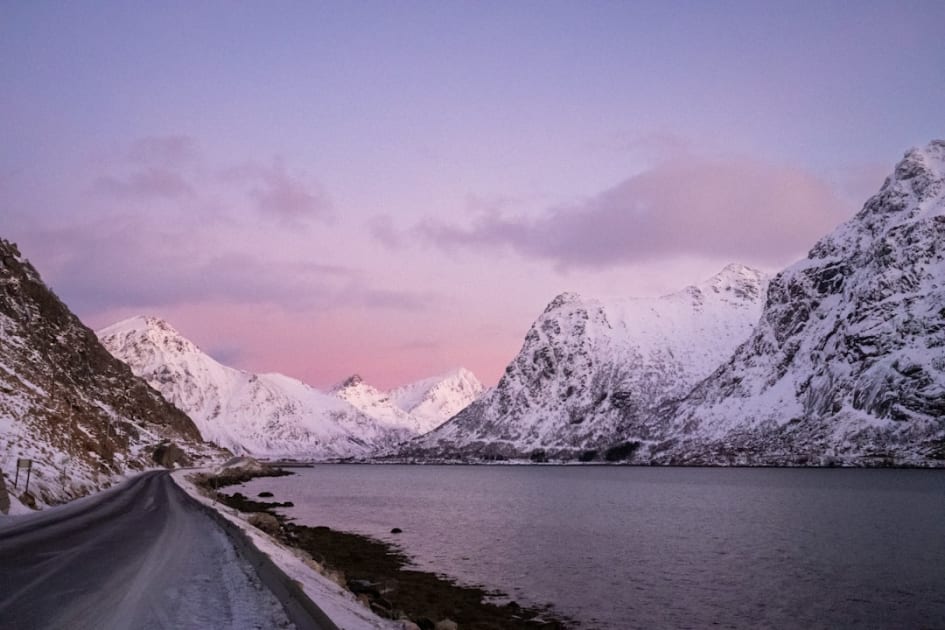
It’s hard not to notice the sheer efficiency of the region’s networks. In Sweden and Denmark, 5G is widely available in cities, and even small towns enjoy decent 4G. But get beyond the city lights—say, the Lofoten Islands or Finland’s lakes—coverage can drop to 3G. Autumn brings more tourists chasing the northern lights and fall foliage, which can mean data congestion around hotspots (Tromsø, Lapland, Stockholm’s Djurgården during harvest weekends). That’s when a stable eSIM really matters.
Most locals use contactless payment for everything (I once saw a fisherman buy a single apple with his phone in Bergen), so having reliable data isn’t a luxury; it’s a basic step. If you plan to hop between Norway, Sweden, and Finland, a regional plan saves headaches—just be sure your provider covers roaming across borders without surprise fees. (Graba SIM’s Scandinavia regional plans are solid for this—no SIM swapping at every border.)Why a digital SIM (eSIM) makes all the difference
There’s a distinct relief in not having to hunt down a physical SIM card after a long-haul flight. The best eSIM for travel in Scandinavia lets you activate within a minute, straight off the plane—no language barrier, no fiddly card slots. With Graba SIM, I tested activation in both Oslo and Helsinki, and honestly, it took under 30 seconds both times. Data Pulse, Graba SIM’s real-time usage feature, kept me from burning through my data binge-watching autumn hikes on Instagram. I pinned the home screen widget to my iPhone 14, which meant I could see at a glance how much data I had left (pro-tip: video calls and Google Maps eat up more than you think in rural areas). If anything went off-script—like the time my phone wouldn’t connect above the Arctic Circle—the 24/7 live chat sorted it. Quick, human, no nonsense. A digital SIM also means no physical swapping, so you can keep your home number for emergencies and use your travel data simultaneously. And if your plans change (as mine often do), you can top up or switch plans from your phone—no need to find a shop in a town where shops close at 5pm.
How to get started with a travel eSIM in Scandinavia
Get Connected
Find a plan for your autumn adventure in Scandinavia and activate in minutes.
Local travel tips from the Scandinavian road
Local Tips
eSIMs vs physical SIMs vs roaming: how do your options stack up?
| Option | Activation | Coverage | Flexibility |
|---|---|---|---|
Regional eSIM | Instant via QR code | High (cities and towns) | Switch or top up anytime |
Physical SIM | Buy in-store, may need passport | Strong in cities, variable rural | One network at a time |
Traditional roaming | No setup, use home SIM | Works if roaming enabled, often slow | High cost, risk of hidden fees |
Why This Matters
Choosing the right option can mean the difference between a smooth journey and surprise bills. For multi-country trips or spontaneous detours, a digital SIM is hard to beat for flexibility and price transparency.
Which scenarios are best for a travel eSIM?
Weekend city-breaker
Bought a 3GB, 7-day eSIM for Copenhagen. Used half for Google Maps, the rest for uploading market photos. No local SIM shops needed, hopped on the metro instantly after landing.
Northern lights chaser
Activated a regional plan covering Sweden and Finland. Kept in touch with guides in remote Abisko and Rovaniemi using WhatsApp, even outside standard coverage zones.
Long-haul freelancer
Needed stable video calls in Oslo and Stockholm. Used Data Pulse to monitor usage, switched to a bigger plan mid-trip via the app. No loss of service, no panic.
Find your perfect plan
Not sure how much data you’ll actually need for autumn travels? Try the Plan Finder for quick recommendations.
Frequently Asked Questions
Final Thoughts
If there’s one thing I’ve learned from solo autumn trips across Scandinavia, it’s that a little preparation goes a long way—especially when it comes to staying online. Whether you’re catching a midnight train, translating Swedish road signs, or sharing a last-minute aurora photo with friends back home, a digital SIM makes the journey lighter. Don’t let connectivity worries hold you back from exploring the magic of northern autumn. Safe travels!
Ready to Get Connected?
Explore our eSIM plans and stay connected in 150+ countries with instant activation and competitive rates