Japan in autumn: vivid journeys, hidden gems and practical connectivity for travellers
Share this article
Help others discover this content
Japan in autumn: vivid journeys, hidden gems and practical connectivity
Experience Japan's crisp air, fiery leaves and effortless mobile data
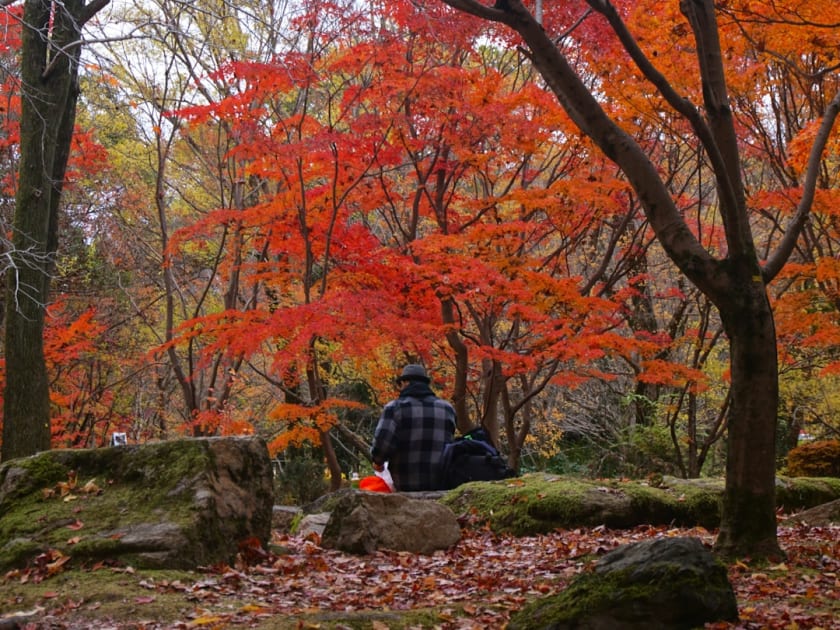
Bright red maple leaves drift past your shoulder. The scent of roasted chestnuts mingles with woodsmoke as you wander a lantern-lit alley in Kyoto. Around the next corner, a tiny sake bar quietly buzzes—local salarymen raise a toast to the harvest moon. There’s something about Japan in autumn; the energy changes. Streets hum with festival drums, temples nestle in a riot of orange and gold, and every evening feels like a small adventure.
Last time I was in Tokyo during November, I found myself caught in a crowd of locals photographing a single ginkgo tree—its leaves so yellow, the whole pavement glowed. Autumn in Japan isn’t just picturesque; it’s alive, and visitors who know where (and how) to look discover a country full of surprises. The trick is staying connected, especially if you want to find those lesser-known spots. That’s where I’ll share a few lessons learned (including some hard-earned ones about mobile data).
Quick Facts
- Autumn (Sept–Nov) is peak season for fall foliage and harvest festivals across Japan
- Urban hotspots like Tokyo and Osaka offer reliable 5G, rural areas have variable coverage
- eSIMs let you skip airport SIM queues and activate data in seconds
- Data Pulse by Graba SIM helps monitor usage on the go
- Real-time support (24/7) is a lifesaver when you hit a snag
The rhythm of Japan: crowds, coverage and clever navigation
Japan’s cities run on precision—rush hour in Tokyo can feel like a synchronised dance, especially in Shinjuku Station (the world’s busiest). Yet, head to Tohoku or Shikoku, and the pace shifts: local trains arrive with a gentle clatter, mobile signals flicker between 4G and 3G, and Google Maps sometimes struggles on remote mountain roads. National carriers like NTT Docomo and SoftBank blanket urban centres, but the countryside is a patchwork. I’ve tested Graba SIM’s Japan data plans in places like Nikko and Kurama; speeds held steady in town, but I always check coverage before a big trek.Autumn brings its own quirks: festival crowds mean network congestion at hotspots like Meiji Jingu or Arashiyama Bamboo Grove—sometimes you’ll wait a few seconds for a web page to load, but it’s manageable. Pro-tip: download offline maps before heading out, especially for rural hikes. And battery life? Colder air drains phones faster, so carry a portable charger if you’re chasing fall colours all day.
Why This Matters
Why this matters: Travel in Japan is all about timing and flexibility. Good connectivity keeps you spontaneous—whether you're live-streaming a festival, booking last-minute tickets, or navigating Kyoto’s winding alleys.
Staying online in Japan: eSIMs explained by a seasoned traveller
There’s a temptation to figure out connectivity after landing—stand in line for a plastic SIM, hunt for free Wi-Fi (which is rarely fast or secure), or gamble with your home network’s roaming. After a few misadventures, I switched to eSIMs. It’s not magic, but it’s close: activate before you leave, scan a QR code, and you’re connected as soon as you step off the plane. With Graba SIM, I used the Data Pulse widget right on my lock screen to track usage—handy when streaming sumo matches in a Kansai café. Instant activation (under 30 seconds on my iPhone 14), and the home screen widget meant I never got caught short. The best part? No fiddling with tiny SIM trays or worrying about losing your primary number. And if you run into an issue—say, you accidentally delete your eSIM profile—the 24/7 live chat actually responds with actionable advice (not just FAQs). I found this out the hard way when I tried switching phones mid-trip.
If you’re curious, Graba SIM offers plan finder tools for matching your itinerary and compatibility checks before you buy—no unpleasant surprises that way.Why eSIMs often beat plastic SIMs in Japan
- Activate ahead of your flight, no airport queues
- Use local Japanese networks for better speeds
- Switch plans or top-up on the fly if your data runs low
- Keep your home number active for banking or emergency calls
How to use an eSIM for Japan: from purchase to first photo
Get Connected
Explore all our Japan and global eSIM options before you travel. Choose a plan that matches your route, not just the tourist trail.
3. Purchase online (prices start around ¥1,200/£6/$8 for short stays). 4. Follow emailed instructions—scan your QR code, add the eSIM profile, and select it for mobile data. 5. Monitor usage via Data Pulse widget or dashboard (especially useful if sharing hotspot with travel buddies).
Vivid local travel tips: what I’ve learnt over many autumns in Japan
Local Tips
Deciding on data: a quick glance at SIM options in Japan
| Option | Activation time | Works with foreign devices |
|---|---|---|
Physical local SIM | 10–30 min | Yes, but SIM tray swap required |
Graba SIM eSIM | <30 sec | Yes, QR code setup |
Roaming with home SIM | Instant | Yes, but expensive (¥800+/day) |
Free public Wi-Fi | Immediate | No secure access, limited coverage |
Solo explorer in Tokyo
Used Graba SIM’s 5GB plan for city navigation and festival streaming—no SIM swap needed.
Family trip in Kyoto
Children streamed anime on mobile data, parents booked restaurants and taxis via apps. Data Pulse helped monitor group usage.
Digital nomad in Osaka
eSIM let me keep my UK number active for banking, while using Japanese data for Zoom calls and local business.
Frequently Asked Questions
Get Connected
Make sure your device works with eSIM before booking. The quick checker saves time and hassle at the airport.
Final Thoughts
Japan in autumn turns every walk into a memory—a burst of maple red, a festival drum, a smile from a ramen chef at midnight. The details matter, and staying online means you catch those fleeting moments (the ones not in any guidebook). From experience, I won’t travel without a digital SIM again. If you want a Japan journey that’s vivid, flexible and a bit off the tourist maps, get your connectivity sorted early and let serendipity do the rest.
Ready to Get Connected?
Explore our eSIM plans and stay connected in 150+ countries with instant activation and competitive rates