Germany’s unwritten travel rules: public transport, tipping and why Sundays are so quiet
Share this article
Help others discover this content
Germany’s unwritten travel rules
Public transport, tipping and why Sundays are so quiet
Picture this: You’ve just landed in Munich on a crisp January morning, luggage trundling behind you, ski jacket slung over one arm. The airport feels calm, almost tranquil. You glance at the S-Bahn timetable, wondering if you’ll need coins or if your phone will actually work. Outside, the streets look so orderly, it’s almost intimidating. But the real surprises—the kind that leave you standing awkwardly in a bakery doorway on a Sunday, or digging for change at a café—aren’t obvious until you’re in the thick of it.
I’ve spent enough time criss-crossing Germany to know that the everyday stuff—catching a tram, tipping your waiter, understanding why the shutters come down on Sundays—can trip up even seasoned travellers. Planning a winter break for the New Year or eyeing up the Alps for a last-minute ski trip? Here’s what truly matters on the ground—and how to avoid rookie mistakes the locals spot a mile off.
Quick Facts
- Many German ticket machines don’t accept foreign cards—plan payment ahead
- Sunday closures are strictly observed: even supermarkets may be shut
- Tipping is expected, but subtle; usually round up or add 5–10%
- Digital SIMs (eSIMs) help you avoid surprise roaming fees and patchy Wi-Fi
- Real-time data monitoring (like Graba SIM’s Data Pulse) can save your budget
Stepping into the real Germany: what visitors actually face
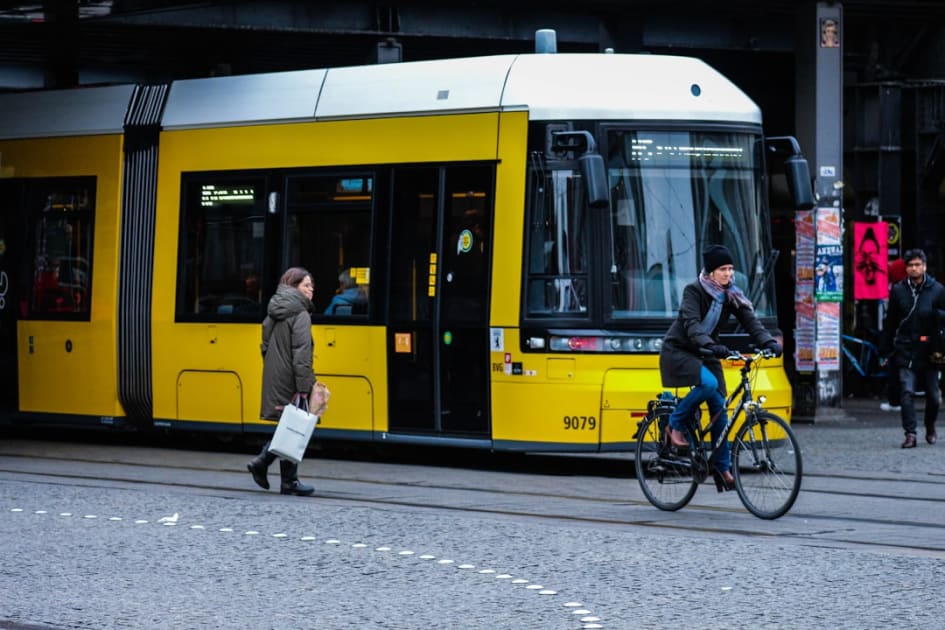
Arriving in Germany, most first-timers expect flawless transport and Teutonic efficiency. Yes, trains and trams usually run on time—and there’s something soothing about a Berlin U-Bahn gliding in to the second. But here’s the reality: ticket machines in smaller cities often don’t support non-European cards. Some trams still expect stamped paper tickets. During Carnival or a Bundesliga match, city networks can slow to a crawl. Even the Wi-Fi in many train stations—though free—tends to struggle during rush hour, especially in hubs like Frankfurt Hauptbahnhof or Munich’s Ostbahnhof. For those heading to the ski slopes in Bavaria or the Black Forest, 4G coverage can flicker in rural valleys. In January, when snow clouds gather, I’ve seen data speeds dip just as I’m trying to check live avalanche updates (not ideal). Germans are pragmatic: they download maps and tickets ahead of time. I’ve learnt the hard way on more than one occasion. If you’re moving between cities—say, hopping from Dresden to Leipzig, or doing a whirlwind rail tour—having reliable mobile data is more than a luxury. It’s the difference between breezing through connections and being left stranded on a cold platform, as I once was in Nuremberg without a working SIM.
Why This Matters
Knowing these practical hurdles means you can sidestep the stress, blend in with locals, and actually enjoy the rhythm of German life—rather than puzzle over it.
Staying connected: the role of eSIMs in Germany
Let’s be honest—international roaming is a notorious money pit. EU visitors get a break, but anyone arriving from the UK, US, Australia or Asia faces an unpleasant surprise if they burn through their home plan. Public Wi-Fi in German cafés is patchier than you’d hope (and often requires convoluted SMS verification). That’s why I—and most regulars I meet—have switched to digital SIMs, or eSIMs, for travel. With an eSIM, you skip the queue for a physical SIM card at the airport kiosk. Activation is usually under a minute: scan a QR code, confirm settings, done. Graba SIM takes it a step further with Data Pulse—real-time data monitoring that actually appears as a widget on your phone’s home or lock screen. You’d be surprised how quickly you burn through 1GB when uploading snowy Zugspitze photos. Having that live tracker stopped me from blowing through my allowance on a frosty January hike near Garmisch. The other perk? If you hit a snag—say, your connection drops while navigating the Berlin U-Bahn—Graba SIM’s 24/7 live chat has, in my experience, been a lifesaver. I once pinged them at 11pm while on a delayed ICE train, and actually got a (human) reply.
If you’re not sure your phone supports a virtual SIM, it’s worth checking with their compatibility tool before you travel. I’ve used it for both my iPhone 14 and an old Samsung S21 with no trouble.Get Connected
Ready to travel Germany with instant data? Explore flexible eSIM plans for every trip length and budget.
Setting up an eSIM for your German adventure: step-by-step
Pro-tip for winter trips
Download offline maps for ski resorts or remote villages. Data can be patchy in the Bavarian Alps, and ticket apps may not refresh in low-signal spots.
Getting around Germany: what actually works on public transport
German public transport is impressively broad, but not always as intuitive as you might think. Here’s the bit that rarely makes the guidebooks:
Local Tips
Understanding tipping, Sunday quiet—and avoiding awkward moments
Tipping is subtle in Germany. Rounding up to the nearest Euro is normal, or add 5–10% if the service stands out. Say “Stimmt so” (“keep the change”) to save everyone the awkward back-and-forth. Don’t leave coins on the table—hand them to the server directly. It’s a small thing, but it signals you’re not a clueless tourist. Sundays are almost sacred. Shops shutter tight—bakeries and cafés may open briefly, but supermarkets, chemists, and most restaurants take the day off. Plan your grocery run on Saturdays; I’ve seen even seasoned expats caught out by a surprise Sunday craving. If you’re staying in a flat, don’t expect to run the washing machine or vacuum—noise rules are strictly enforced. Winter brings its own quirks: ski resorts bustle, but city centres empty out. If you’re travelling in January or February, check for regional festivals or Fasching (Carnival) closures—transport may run on altered timetables, and roads can be blocked for parades.
Why This Matters
Knowing these cultural nuances means fewer faux pas, smoother journeys, and more time to focus on what you actually came for—whether it’s skiing, museum-hopping, or just wandering the cobblestone alleys of Heidelberg.
eSIMs vs physical SIMs vs roaming: a quick comparison
| Option | Setup Time | Best for |
|---|---|---|
International roaming | Instant (but costly) | Short layovers, emergencies |
Physical SIM | 10–30 min (need to find a shop) | Longer stays, non-eSIM devices |
eSIM (virtual SIM) | 1–2 min, fully online | Frequent visitors, digital nomads, flexible trips |
From experience, eSIMs win hands down for convenience and flexibility. I used to queue in Munich airport’s telecom shop only to be told they’d run out of starter packs. Now, I just activate as I walk off the plane.
Get Connected
Not sure which German eSIM is right for you? Use the Graba SIM Plan Finder for a tailored recommendation.
Who benefits most from a digital SIM in Germany?
Ski holidaymakers
Need coverage in remote Alpine villages plus reliable city connections for flight changes.
Business travellers
Require constant email and access to cloud docs—can’t afford a dead spot or a surprise €50 roaming bill.
Post-holiday explorers
Hopping between cities during the quieter winter months, making the most of off-peak fares and empty museums.
Digital nomads
Living out of cafés—need stable data for Zoom calls, with the ability to top up on the fly.
Frequently Asked Questions
Final thoughts from the road
Final Thoughts
Germany rewards those who pay attention to the details—the unspoken rules, the rhythm of the week, the way people handle small transactions. Having the right mobile setup isn’t just about convenience: it means you can get directions, book a last-minute train, or Google why every shop is closed on Sunday, all without missing a beat. I’ve learnt that blending in comes down to preparation—and, just as often, to the quiet confidence of knowing you’re connected, even when the trains are running late.
Ready to Get Connected?
Explore our eSIM plans and stay connected in 150+ countries with instant activation and competitive rates