Essential apps for your Japan adventure: maps, meals and smart trip planning
Share this article
Help others discover this content
Essential apps for your Japan adventure
Maps, meals and smart trip planning
Stepping off the Shinkansen in Kyoto, it’s easy to feel both exhilarated and just a bit lost. Japan’s sleek cities, dazzling autumn foliage and labyrinthine train networks can throw even seasoned travellers off their stride. There’s a language barrier, sure, but it’s the everyday logistics—finding the right exit at Shibuya Station or tracking down that hidden ramen joint—that separate an effortless trip from a frustrating one.
Last November, my phone became my lifeline during a Thanksgiving city break in Tokyo. With the right apps lined up, I navigated backstreets in blazing maple reds, tracked down Black Friday deals in Ginza, and even squeezed in an impromptu trip to Hakone—all without wrestling with paper maps or expensive data roaming. If you’re headed to Japan this autumn, there’s no need to wing it. From my own travels (and a few missteps), here’s how to stay connected and make the most of every moment.
Quick Facts
- Japanese mapping apps offer real-time train updates in both English and Japanese.
- Mobile data coverage is excellent in cities; rural areas can be patchy—plan ahead.
- Food delivery apps are expanding, but many rely on cash payment at the door.
- eSIMs save time and money compared to traditional roaming; instant activation with Graba SIM.
- Key tourist areas like Shinjuku often have public Wi-Fi, but speeds slow dramatically during peak hours.
How connectivity shapes your Japan journey
Japan’s rail system is a marvel—if you know how to read it. Even Tokyo locals rely on apps like Navitime or Hyperdia to thread through the city’s 13 subway lines and dozens of train companies. But here’s the catch: station layouts are famously complex. Shinjuku, for example, has more than 200 exits, and the English signage often trails behind the Japanese. I’ve seen first-time visitors emerge on the wrong side of the station, miles from their intended destination, after relying solely on paper tickets and guesswork. Autumn city breaks see a spike in network congestion, especially around hotspots like Tokyo Disneyland or Kyoto’s Gion district when the leaves turn. While mobile coverage from major carriers (Docomo, au, SoftBank) is reliable in urban centres, rural areas and mountain regions—think Nikko or the valleys near Mt. Fuji—can catch you out. Data speed drops during festival nights and holiday weekends, so having a robust local SIM or eSIM is more than a nice-to-have; it’s outright essential.
Japan’s top travel apps: my field-tested picks
Tokyo Metro app: For subway navigation, the official Tokyo Metro app remains unbeaten. It’s bilingual, ultra-fast, and helps you avoid the notorious rush-hour bottlenecks. Navitime: This goes beyond Google Maps, offering train times, platform info, and even exit guides. Its “Tourist” mode is tailored for visitors and worth every megabyte. Google Maps: Still the best for walking directions, but occasionally struggles with narrow alleys and underground malls. Cross-reference with Navitime or Yahoo! Maps when in doubt. Line: The messaging app of choice. Most Japanese businesses (restaurants, hotels, even doctors) use Line for bookings and notifications. Download it before you go. Tabelog: Japan’s answer to Yelp, with honest reviews and photos. English interface isn’t perfect, but it’ll get you to the best local izakaya—even if you don’t read kanji. Uber Eats: Not all cities have it (Kyoto is expanding, Osaka is solid), but it’s a lifesaver when you’re jetlagged and hungry. Note: expect to pay in cash sometimes, so keep some yen on hand.
Why digital SIMs are the smart choice in Japan
Let’s be honest: buying a physical SIM at Narita is still possible, but it’s a faff. eSIMs—like those from Graba SIM—change the game. Last time I landed at Haneda, I activated my eSIM in under half a minute—no fiddly packaging, no translation woes.Graba SIM’s Data Pulse monitoring gave me instant feedback on data usage, especially handy with all those map apps running. The home screen widget lets me check balance without digging through settings. For a digital nomad or a casual visitor, these features save more hassle than you realise. The 24/7 live chat came up trumps when my iPhone 14 glitched during a late-night transfer in Ueno—real help, not a bot loop.
If you’re unsure about device compatibility, Graba SIM’s checker is straightforward. Plans for Japan start at £5/$7/€6 for short stays, and you can browse options here. Students get discounts too—see student rates.Why This Matters
Having reliable mobile data in Japan lets you dodge peak-hour confusion, discover hidden restaurants, and avoid nasty roaming fees—especially during high-season travel.
Step-by-step: Getting your Japan eSIM and apps ready
Pro-tip: Save data in peak periods
Switch map apps to offline mode in crowded stations to avoid slow speeds during rush hour.
Insider tips for exploring Japan
Local Tips
Comparing travel SIM options in Japan
| Type | Activation | Typical Price | Coverage |
|---|---|---|---|
Physical SIM | Shop counter | ¥3,000 (£16/$21/€19) | Strong in cities, patchy rural |
Pocket Wi-Fi | Pickup/return | ¥800/day (£4/$5.60/€5) | Best for groups, inconvenient solo |
eSIM (Graba SIM) | Online, QR code | From ¥1,000 (£5/$7/€6) | Excellent urban, reasonable rural |
Real-world scenarios: How digital SIMs fit different travel styles
City Explorer
Navigating Tokyo’s subways, hopping between Black Friday sales: uses ~2GB/week, leans on Google Maps and Line for coordination.
Culinary Adventurer
Hunting local ramen shops and izakaya via Tabelog, uses translation apps, needs reliable data for last-minute reservations.
Nature Seeker
Day-tripping to Nikko and Hakone for autumn leaves. Downloads offline maps and checks coverage regularly; eSIM helps dodge patchy rural networks.
Student Traveller
Benefits from Graba SIM student discounts, uses Line and Uber Eats, shares travel moments via Instagram—needs flexible data plans.
Frequently Asked Questions
Get Connected
Ready for autumn adventures in Japan? Explore Graba SIM’s flexible eSIM options—from short stays to extended student travel. Instant activation, real data control, and responsive support—all without the roaming headaches.
A few final thoughts from my own journeys
Final Thoughts
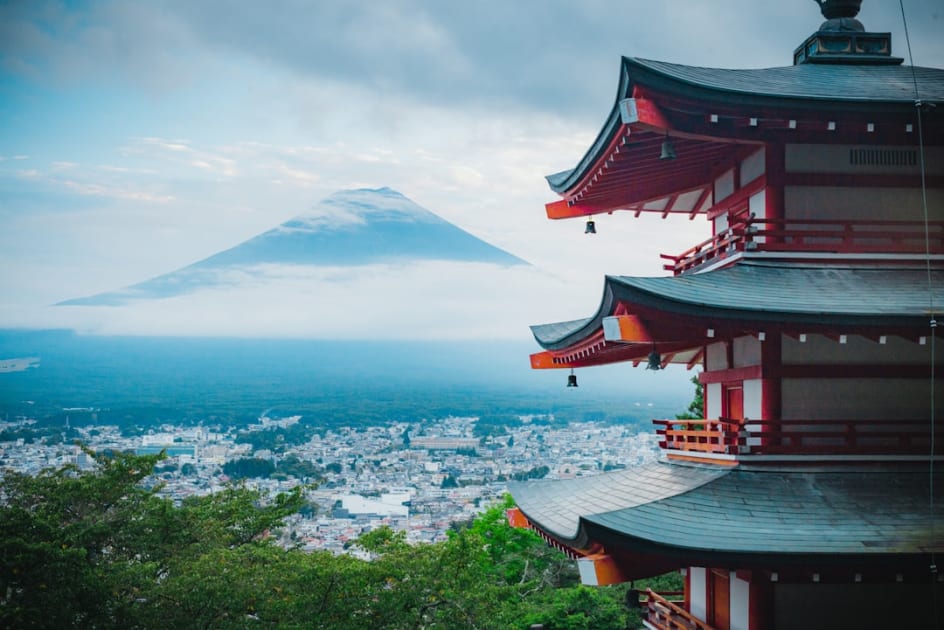
Japan rewards the curious. With the right tech setup, you’ll spend less time lost in translation and more time catching that perfect view of Mount Fuji or finding the best gyoza in town. I still remember the thrill of navigating Tokyo’s train mazes on a crisp November morning, coffee in hand, with my eSIM quietly keeping me connected behind the scenes. If you prep a few key apps and sort your data ahead of time, you’ll find the country both welcoming and surprisingly navigable. Happy travels, wherever the autumn winds take you.
Ready to Get Connected?
Explore our eSIM plans and stay connected in 150+ countries with instant activation and competitive rates