Choosing an eSIM for Greece: practical advice from a seasoned traveller
Share this article
Help others discover this content
Choosing an eSIM for Greece: practical advice from a seasoned traveller
Expert travel tips for smart connectivity in 2025
It’s early January, and the streets of Athens are quieter than usual. Just last week, I found myself sipping strong Greek coffee near Monastiraki, my phone buzzing with messages from home. A sudden urge to share the foggy Acropolis view with family struck, but my old SIM was offering the data speed of a tortoise, not to mention the sting of roaming charges. If you’ve ever tried to navigate the winding alleys of Plaka or tracked a ferry in the Cyclades with patchy data, you’ll know exactly what I mean.
Greece might be famous for endless summers, but winter brings its own magic—snow-dusted mountains up north, crisp sea air in the islands, and, let’s be honest, the odd scramble for a stable connection. Over the past ten years, I’ve tested nearly every way to stay online here, and these days, picking a solid eSIM has become my go-to solution. Not just for the ease, but for the peace of mind when your itinerary suddenly changes (which it always does in Greece).
Quick Facts
- Instant digital SIM activation—no waiting or paperwork
- Real-time data usage monitoring with Data Pulse
- Coverage across Greek mainland and islands
- Widget for home/lock screens keeps you informed
- 24/7 live chat support for on-the-ground help
Staying connected in Greece: what travellers really face
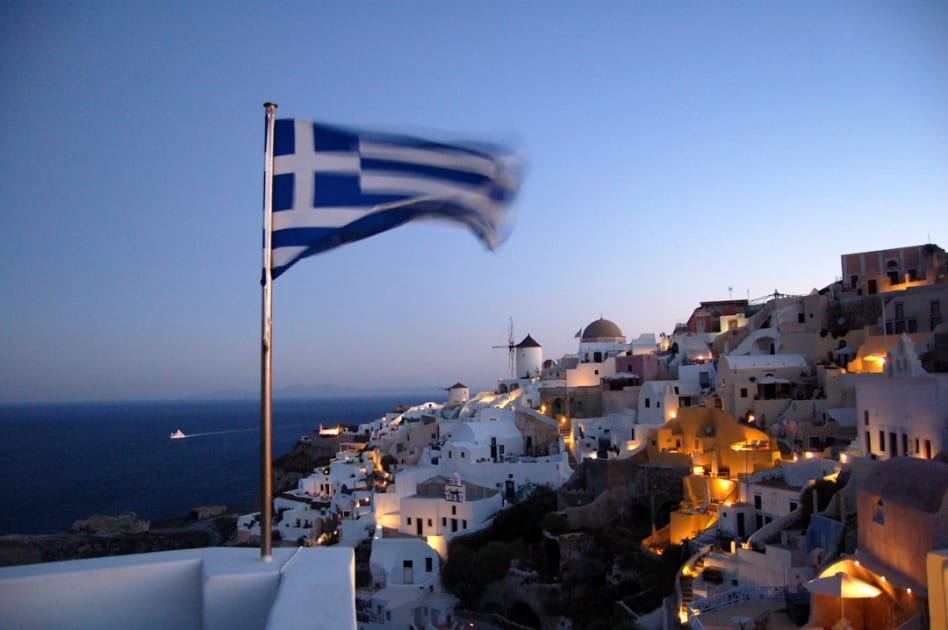
You’d think in 2025, every corner of Greece would have flawless connectivity. The reality is more nuanced, especially in winter when the crowds disappear and local networks shift priorities. On the mainland, urban centres like Athens and Thessaloniki typically offer reliable 4G—sometimes 5G if you’re lucky. Yet step into mountainous Metsovo or wind your way through villages in Crete, and you’ll quickly encounter patchy signals, particularly indoors where thick stone walls play havoc with reception. Island hopping is a classic Greek adventure, but it comes with its own set of challenges. Ferries crossing from Paros to Naxos often lose network for half an hour, and on Santorini, coverage can fizzle out entirely in the caldera. From experience, I recommend checking local carrier maps (Cosmote, Vodafone Greece, Wind Hellas) before finalising your itinerary. Even in tourist hotspots, mobile data congestion can spike during festivities—New Year in Athens is notorious for overloaded networks. If you’re heading up to Mount Parnassos for winter sports, expect slower data speeds and intermittent drops, especially in the higher altitudes.
Why This Matters
Understanding the reality of Greek network coverage helps you choose the right eSIM and avoid surprises, especially when travelling off the beaten path or during busy holiday periods.
Why choose an eSIM for Greece?
Traditional roaming plans have their place, but there’s a reason eSIMs have become a staple for frequent flyers, digital nomads, and anyone keen on flexibility. With an eSIM—also called an embedded or virtual SIM—you skip the queues, paperwork, and plastic waste. It’s as simple as scanning a QR code and activating your plan, typically in less than a minute. Graba SIM’s instant activation has saved me more than once—last time, my connection dropped just as I landed at Athens airport, and I had data back before baggage claim. One major perk is real-time data monitoring. Graba SIM’s Data Pulse feature lets you keep an eye on data usage, which is a lifesaver when you’re streaming directions or booking last-minute ferries. The widget sits quietly on your home or lock screen, so you’re never caught off guard by a depleted balance. During a particularly hectic island-hopping trip last spring, I used the widget daily to avoid overages—so much easier than fiddling with carrier apps in Greek. Another point worth noting: live chat support. I’ve tested Graba SIM’s 24/7 help desk in the middle of a chaotic Greek Easter parade, and the agent’s quick fix for a network hiccup kept me connected when others were left stranded. It’s not just about convenience; it’s about having someone to lean on when the unexpected happens.
For plan details, you can browse options for Greece at Graba SIM’s country page, or use their Plan Finder wizard if you’re not sure how many gigabytes you’ll need.Smart features for real-world travel
- Activate your eSIM in less than 30 seconds
- Monitor usage with Data Pulse and avoid surprise costs
- Use home/lock screen widget for instant data updates
- Reach support via live chat anytime—even in the middle of a holiday
How to get set up: step-by-step for first-timers
Get Connected
Ready to set up? Browse our latest Greece plans and activate your eSIM in minutes.
Local travel tips for winter, islands and city breaks
Local Tips
Quick comparison: eSIM vs roaming for Greece
| Option | Activation Speed | Data Cost (per GB) | Coverage |
|---|---|---|---|
Graba SIM eSIM | <1 min | £5/$7/€6 | Mainland & Islands |
Traditional Roaming | 1-2 hours | £10/$15/€12 | Mainland, limited islands |
Local SIM | 10-30 min | £3/$5/€4 | Varies by region |
Who benefits from a Greece eSIM? Real traveller scenarios
Winter skier in Mount Parnassos
Reliable data for weather updates, instant activation when arriving from Athens
Island-hopper in the Cyclades
Switching ferries and islands, flexible data plans and real-time monitoring prevent overages
Remote worker in Thessaloniki
Stable connection for video calls, easy top-ups via Graba SIM website
City explorer in Athens
Fast setup, widget helps track usage during heavy photo sharing and navigation
Frequently Asked Questions
Get Connected
Unsure which data plan fits your itinerary? Use our wizard for a tailored recommendation.
The bottom line: seasoned reflection
Final Thoughts
If there’s one lesson Greece has taught me, it’s that reliable connectivity opens doors—not just to convenience, but to spontaneous moments. Whether you’re planning a winter ski trip, a remote island escape, or a culture-soaked city break, a good eSIM takes care of the technical details so you can focus on the adventure. I may still get lost in Athens, but at least now, it's never because my maps won’t load.
Ready to Get Connected?
Explore our eSIM plans and stay connected in 150+ countries with instant activation and competitive rates